Brighton & Hove Local History Group

|
Brighton & Hove Picture Gallery |
Brighton & Hove Picture Gallery
|
|
|
|
Brighton & Hove Local History Group |
|
|
|
|
|
|
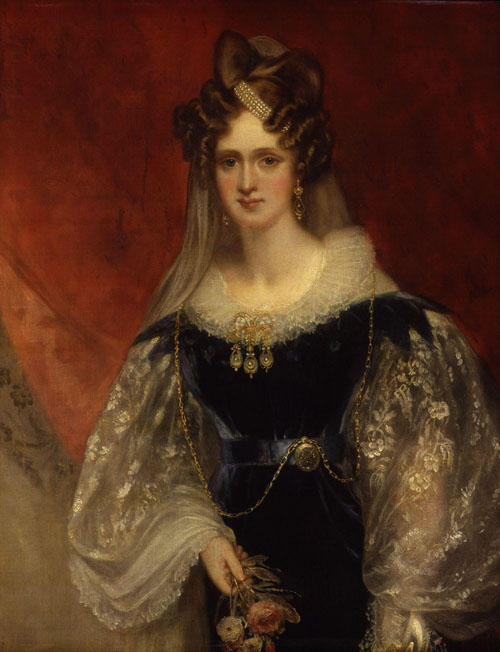
Picture of the Week : Queen Adelaide by William Beechey |
||
|
|
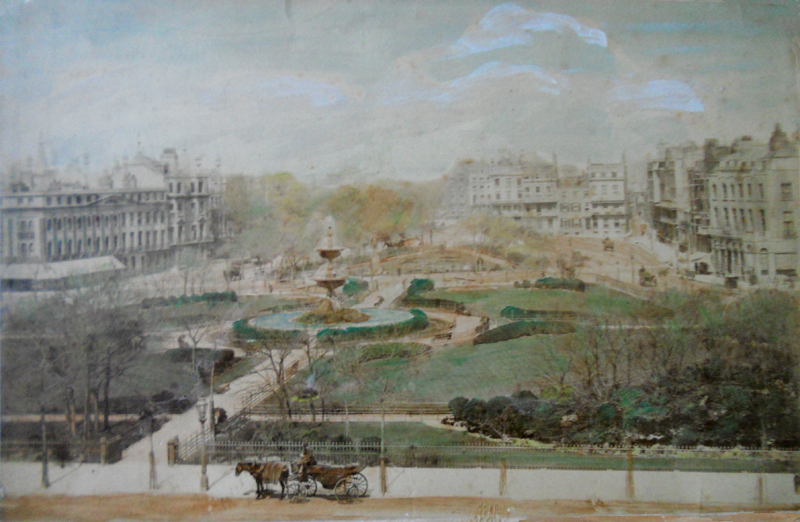
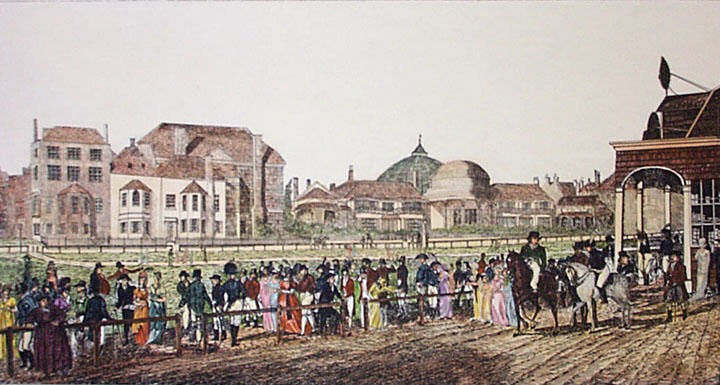
The Old Steine in 1880 and 1806 |
||||||||||||||||||
|
|
|||||||||||||||||
|
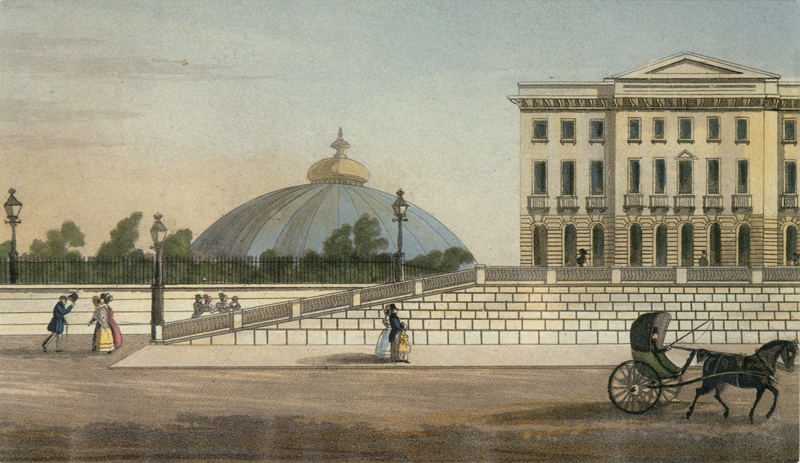
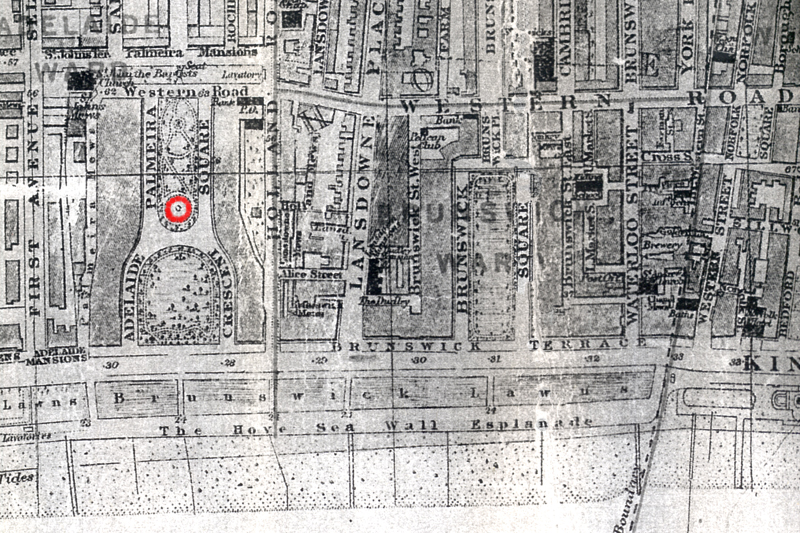
The Anthaeum ("Flower-House") was a huge
structure made from cast-iron and glass which occupied the site of what is
today Palmeira Square. This massive, dome-shaped structure was to
serve as an enclosed, artificially heated tropical garden. The Anthaeum
was the idea of Henry Phillips (c1779-1840), a botanist,
horticulturalist and landscape gardener who had resided in Brighton
since 1823. The designer of The Anthaeum was the Brighton-based
architect, Amon Henry Wilds (c1790-1857). The Anthaeum was a gigantic dome-shaped structure; 165 feet in diameter (wider than the dome of St. Peter's in Rome) and 65 feet high. The dome was surmounted by a 16 foot high cupola which would contain an observation gallery. The interior of the dome occupied 1.5 acres and was to contain tropical trees and shrubs, many varieties of flowers and hundreds of different exotic plants. The massive dome was to be constructed with 100,000 panes of glass, totalling 40,000 square feet. Work began on the site in 1832 and towards the end of August 1833, The Anthaeum was near completion. Amon Henry Wilds, the architect who designed The Anthaeum, and Charles Hollis, the project's structural engineer, had insisted on a central pillar of iron to support the iron ribs of the dome. Mr English, the building contractor ignored their advice and built the dome without a central pillar. Wilds and Hollis resigned in protest. On 29th August 1833, two days before the official opening of The Anthaeum, the building contractors began dismantling the supporting scaffolding from the dome. An hour after the last section of scaffolding was removed on 30th August 1833, the iron and glass structure, weighing in the region of 500 tons, came crashing down. |
|